In the motorcycle industry chain, electrical system components are the core link that ensures vehicle power transmission, safe driving, and intelligent control. Their quality and performance directly determine the overall competitiveness of the vehicle. Max Trading, which focuses on this field, has formed multidimensional differentiation advantages with deep insights into international market demand and full chain production service capabilities: the primary advantage lies in the internationalization orientation of technology research and development, followed by cost optimization and supply chain stability, and finally, cross market and full cycle adaptability.
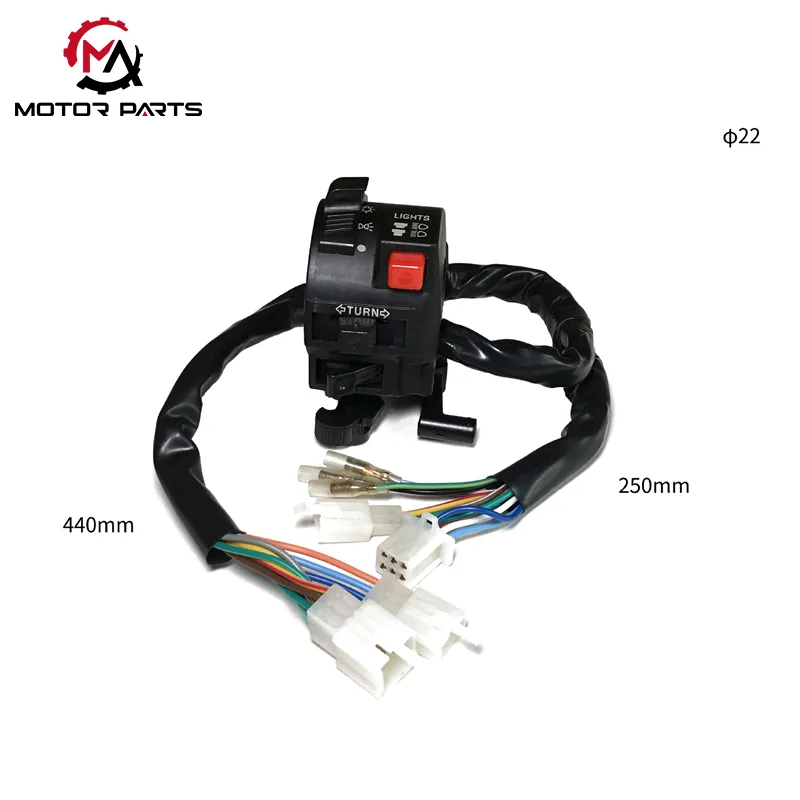
The motorcycle electrical system includes motorcycle power supply accessories, Motorcycle ignition accessories, motorcycle lighting and signal devices, motorcycle instruments and controls, etc.
Motorcycle power supply accessories: the "energy center" of the electrical system
The power component is the core power source of the motorcycle electrical system, responsible for the generation, storage, and distribution of electrical energy, ensuring the stable operation of various electrical equipment, and its performance directly affects the reliability of the entire vehicle electrical system.
1. Core components and functions
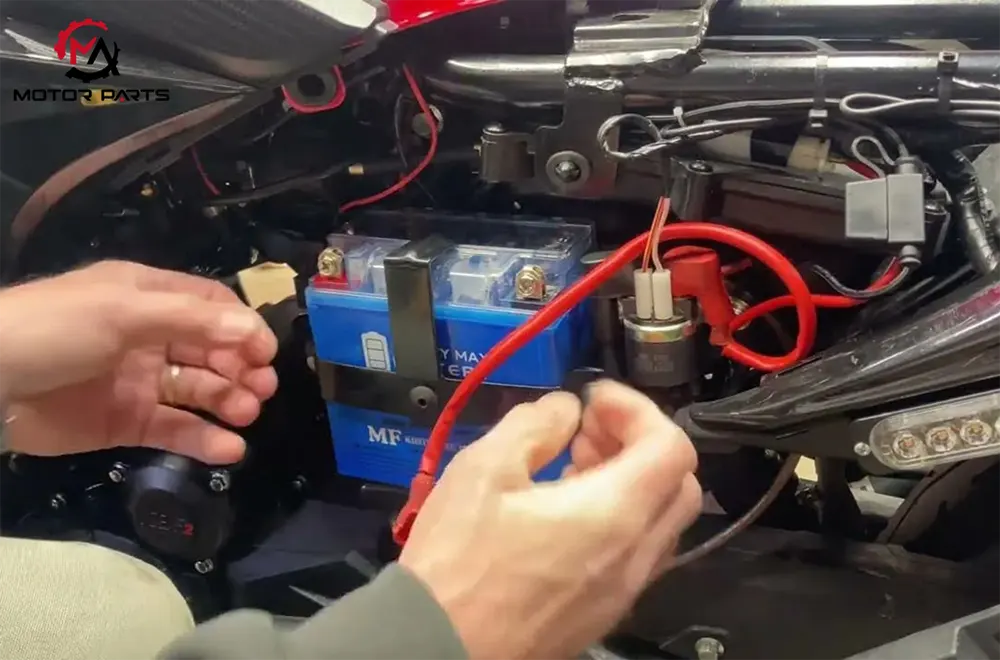
Battery: As an electrical energy storage unit, its main functions include supplying power to the starter motor during startup, supplying power to lighting/instruments and other equipment when the engine is not started, and storing excess electrical energy generated by the generator. Common car models often use 12V lead-acid batteries, such as the 12V/4Ah battery equipped in the CG125 model, which has good low-temperature starting performance and low cost. At the same time, distilled water needs to be regularly replenished (except for maintenance free models) to maintain capacity.
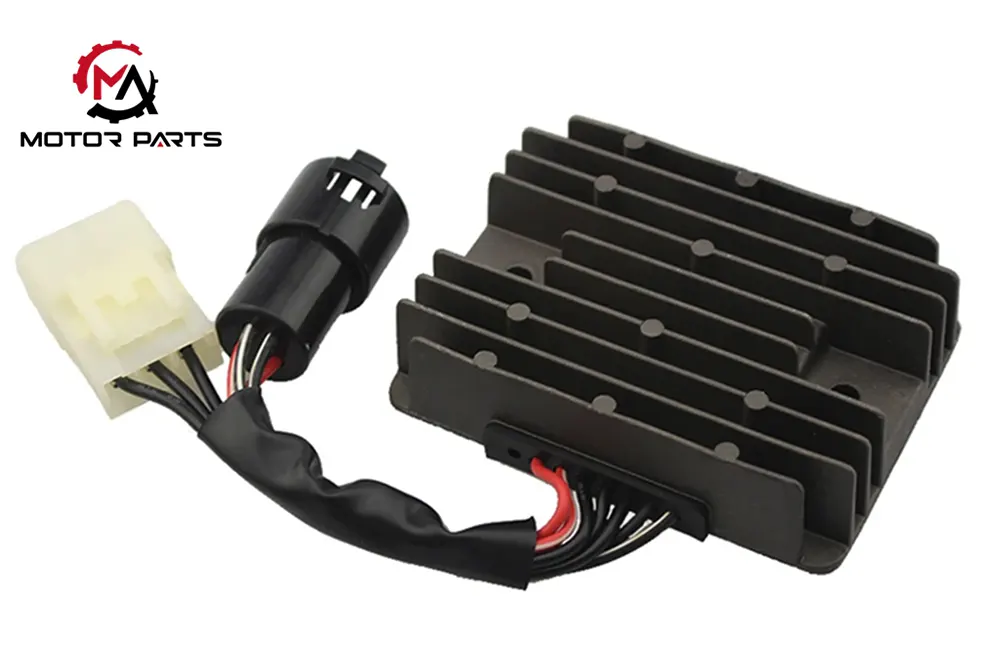
Rectification regulator: connects the generator and battery, with dual functions of "rectification" and "voltage stabilization". On the one hand, it rectifies the AC power output by the generator into DC power, and on the other hand, it stabilizes the voltage within the range of 13.5-14.5V to avoid damage to the battery and electrical equipment caused by high voltage, or insufficient power supply caused by low voltage. In the CG125 model, silicon rectifiers are commonly used as voltage regulators, which are small in size, have good heat dissipation, and are suitable for compact installation spaces throughout the vehicle.
2. Work logic and adaptation characteristics
After the engine is started, the generator runs synchronously with the crankshaft to generate alternating current, which is then converted into stable direct current by a rectifier and voltage regulator, and took precedence for supplying power to key equipment like lighting fixtures and ignition systems. After meeting the power demand of the equipment, the remaining electrical energy is used to replenish the battery; When the engine is turned off, the battery quickly switches to power mode, providing continuous power support for emergency equipment like hazard warning lights. In response to the high temperature and high humidity market environments in Southeast Asia, Africa, and other regions, we have enhanced the sealing process of batteries, adopted leak proof design, and added a high protection level waterproof coating to generators, prominently improving the reliability and durability of power components in complex environments.
Motorcycle ignition accessories: the "ignition core" for engine start-up and operation
The ignition system is responsible for generating high-voltage electric sparks to ignite the combustion chamber mixture at the end of the engine compression stroke, directly determining the engine's starting performance, power output, and fuel economy, and is a key guarantee for the normal operation of the engine.
1. Core components and working principle
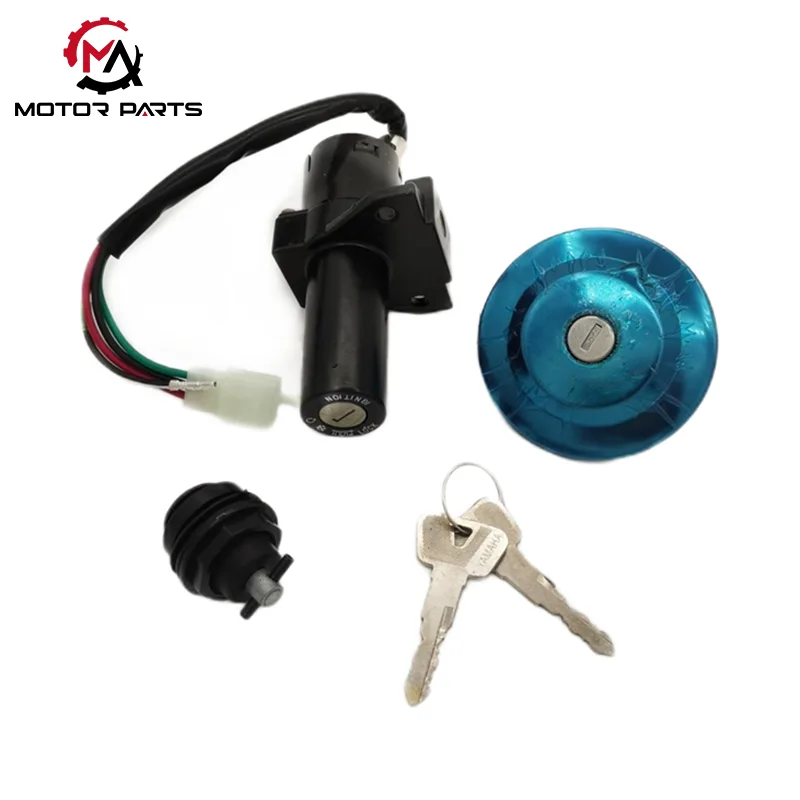
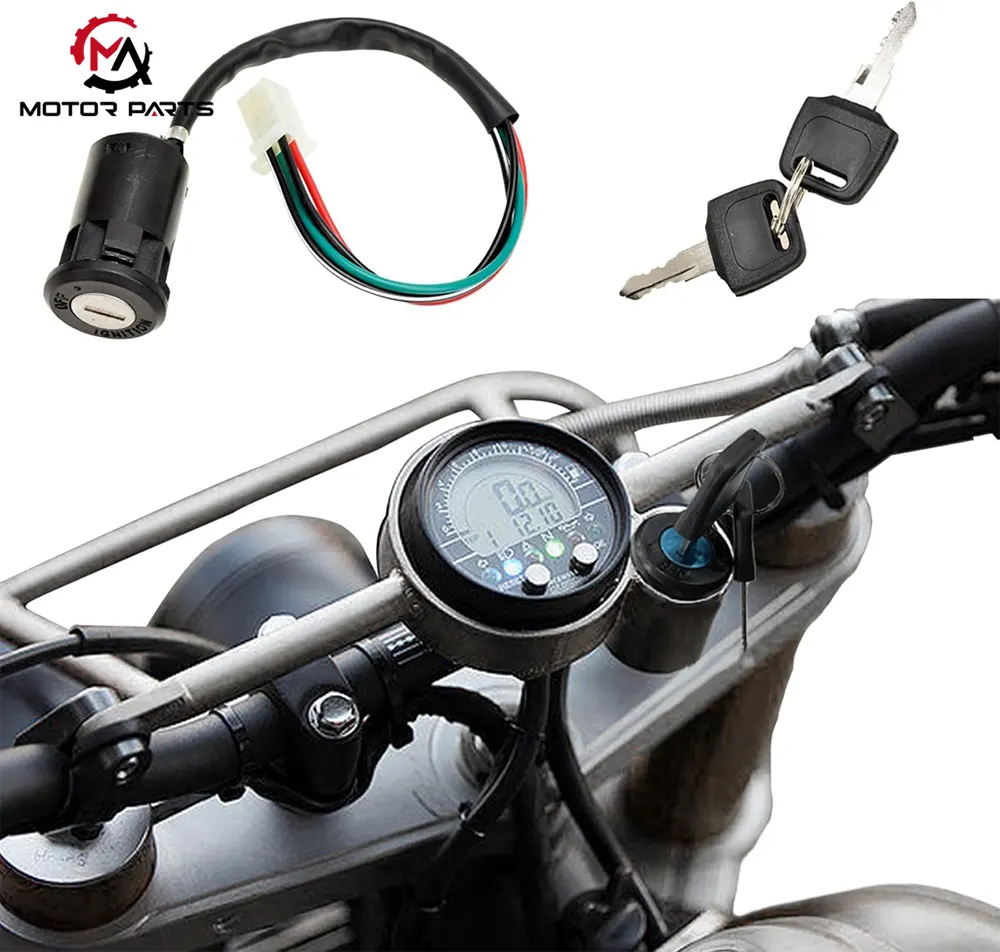
Ignition switch: The control switch of the system, used to turn on or off the power supply of the ignition system, and also has anti-theft function (such as the ignition switch with a lock cylinder, which can lock the steering column when turned off). The ignition switch of most car models integrates a start control function. When turned to the "ON" position, the ignition system is turned on, and when turned to the "START" position, the motor is started in conjunction.
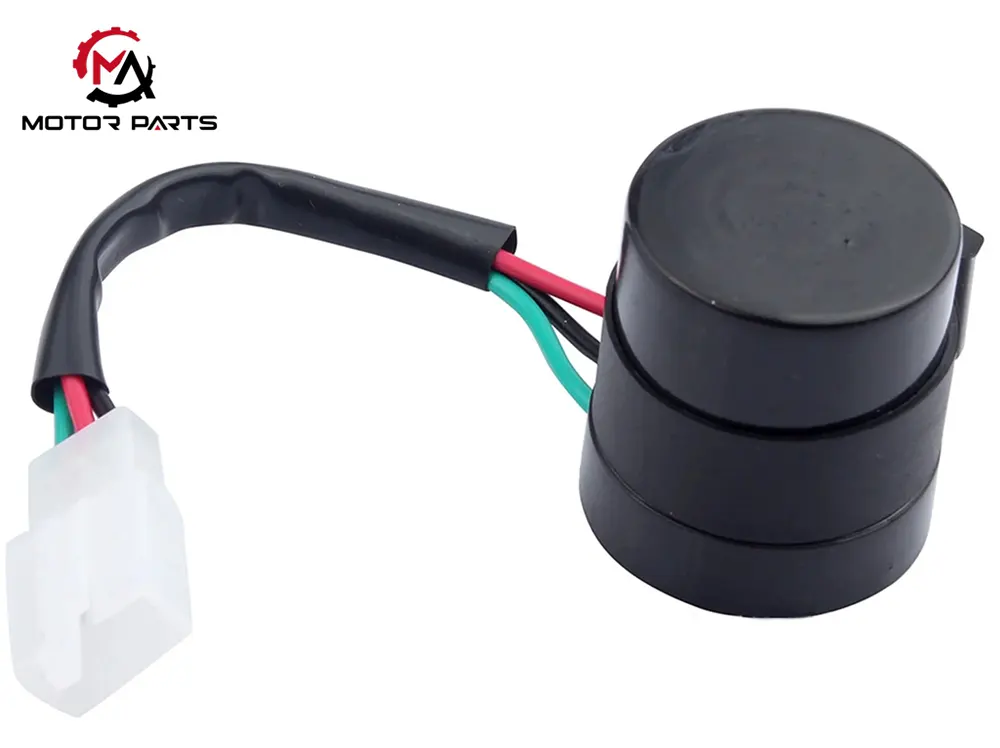
Flasher: When the rider operates the left turn, right turn, or double flash switch, the flasher will immediately receive the signal and start working, causing the corresponding turn signal to flash synchronously, clearly informing the vehicles behind and to the side that "the direction of travel is about to change", reserving time for other traffic participants to judge and avoid accidents such as rear end collisions and scratches due to unclear intentions.
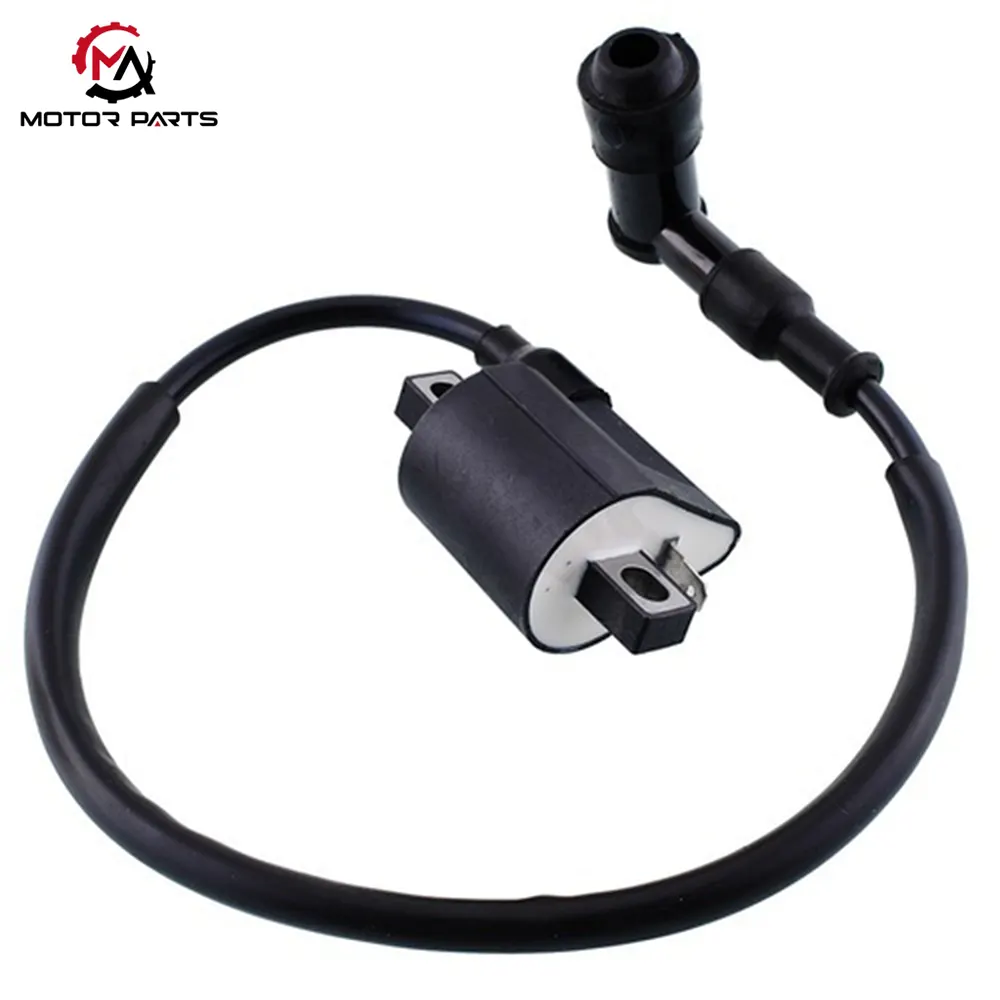
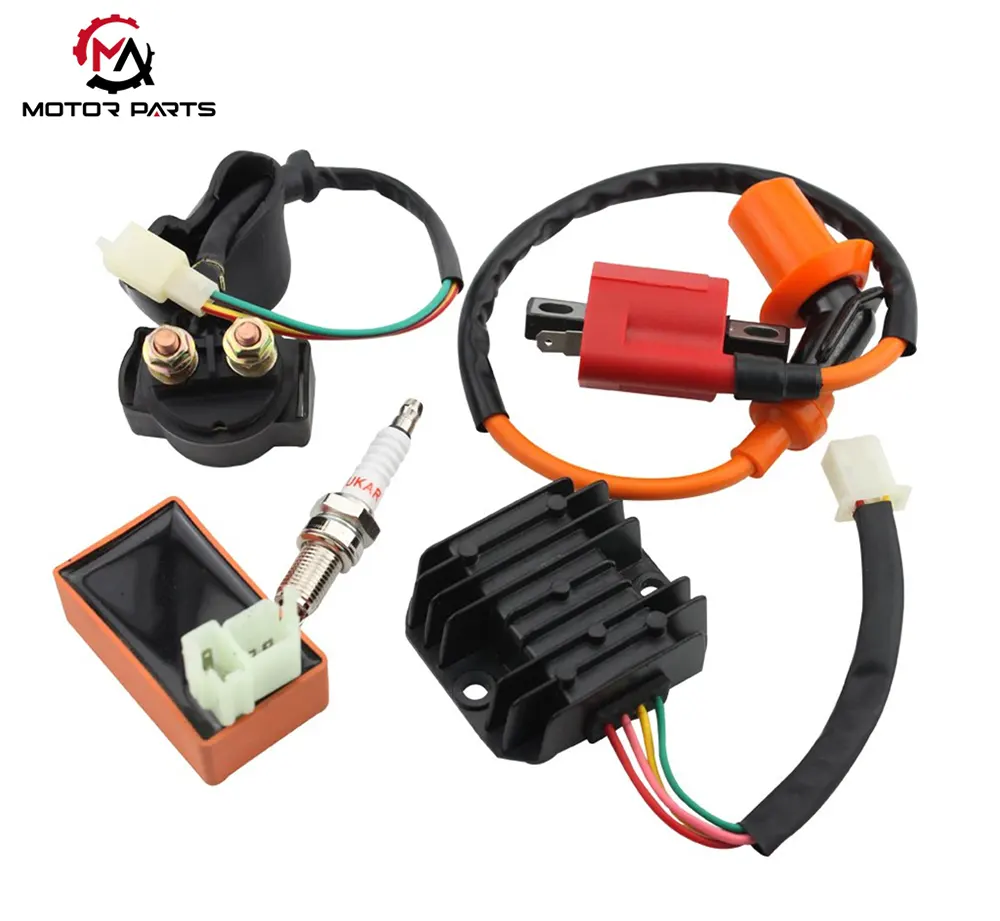
Ignition coil: Using the principle of electromagnetic induction, the low-voltage DC power transmitted by the battery is converted into high-voltage AC power through the internal primary coil, secondary coil (with a large difference in turns, with the secondary coil having far more turns than the primary coil), and iron core. The high-voltage power is then transmitted to the spark plug through the high-voltage line to provide sufficient energy for ignition, ensuring that the mixture can be successfully ignited and the engine can start and continue to operate.
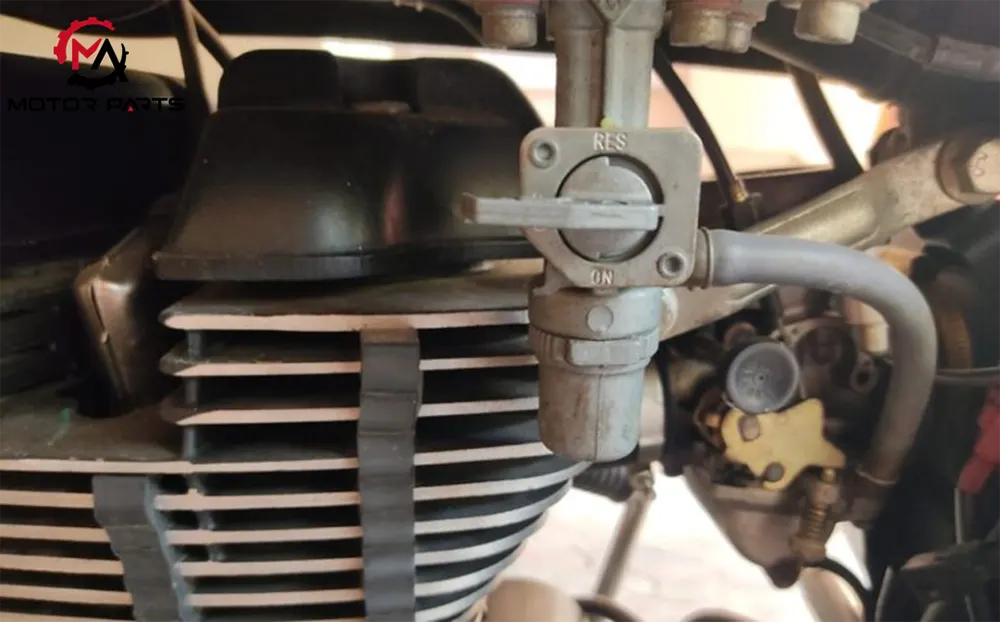
Fuel switch: a "fuel valve" that connects the fuel tank to the carburetor/electronic fuel injection system.
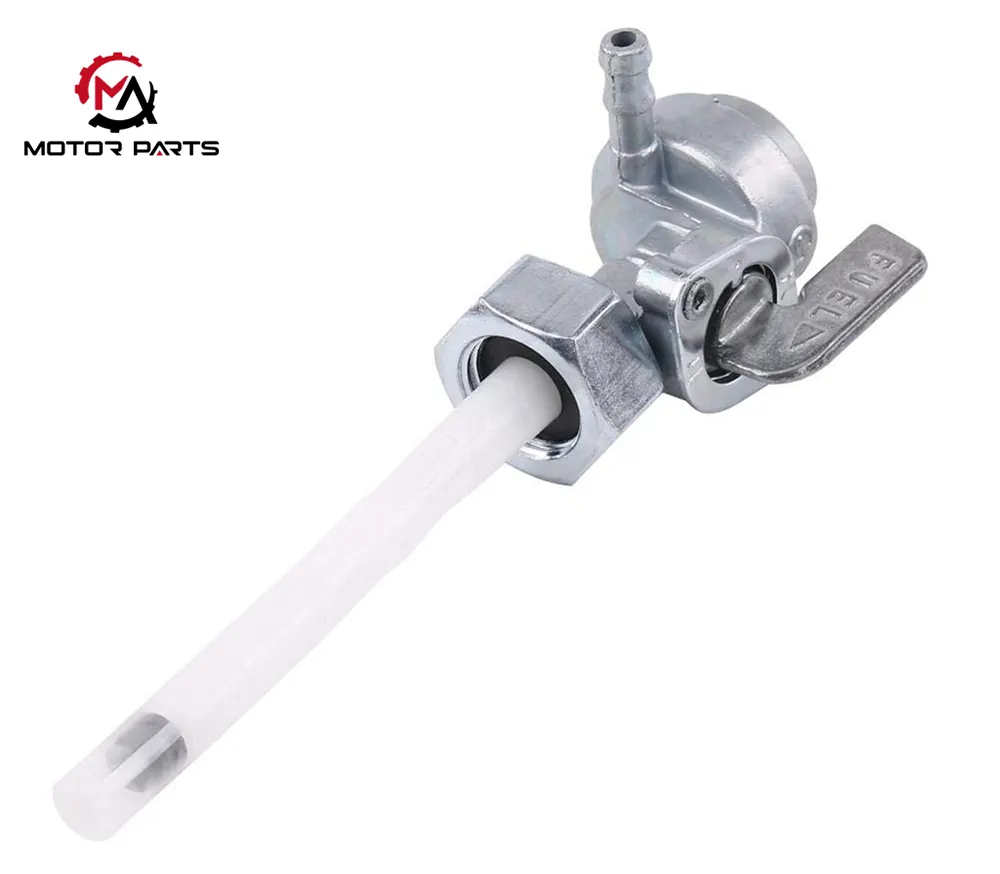
Although its structure is relatively simple, it directly controls the fuel delivery path and status, and is a key component to ensure normal fuel supply to the engine and avoid safety risks.
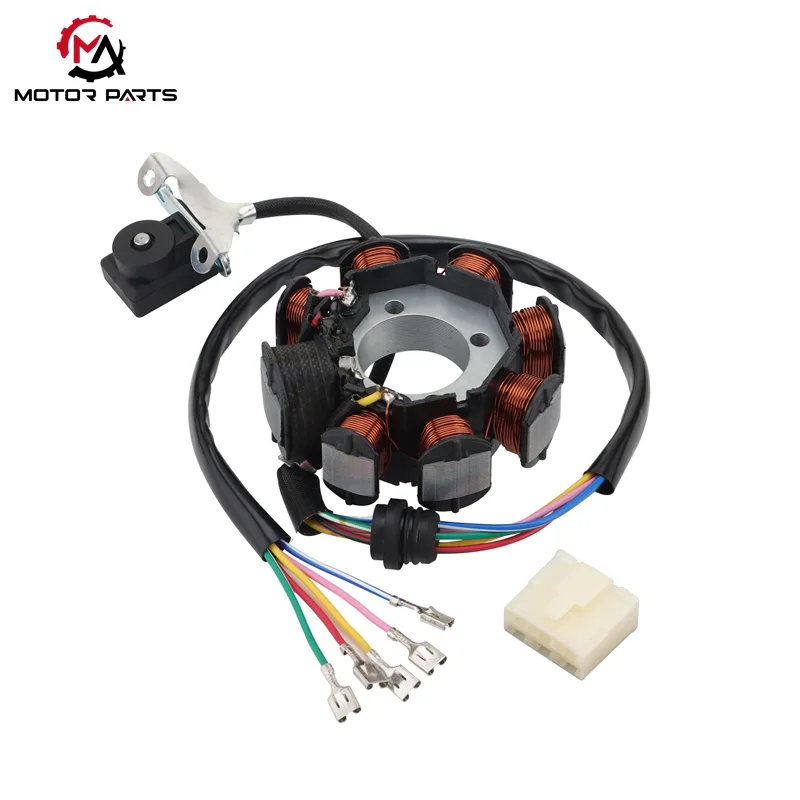
Magneto coil: It is the "energy source" of the motorcycle power supply system, which works in conjunction with the magnetic motor rotor to convert mechanical energy into electrical energy through the principle of electromagnetic induction, providing power for the vehicle's electrical equipment and ensuring normal ignition of the engine. Its function revolves around "power generation and supply, ignition support, signal transmission", and is a key component that connects the mechanical motion of the engine with the accuracy of the electrical system operation.
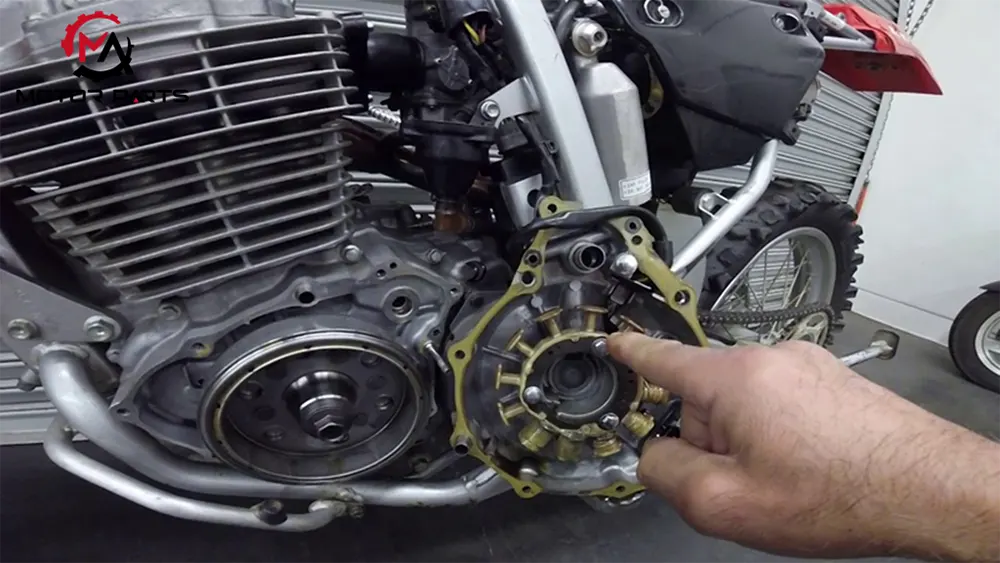
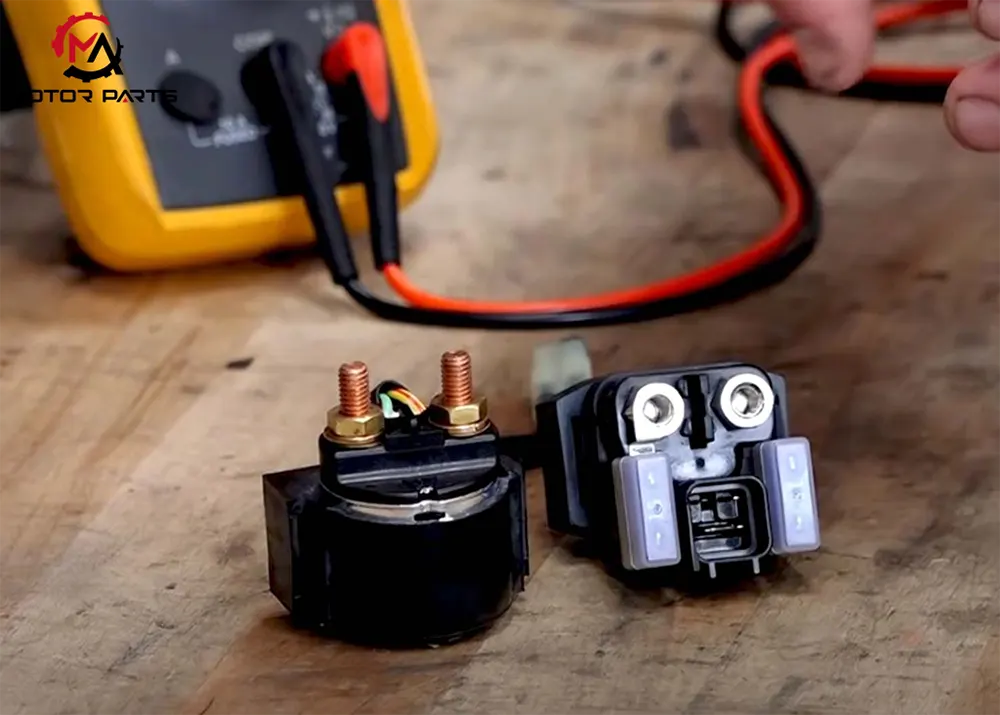
Start relay: The "brain" of the ignition system, also known as the capacitive discharge ignition device. By using sensors (such as crankshaft position sensors) to obtain engine speed and piston position signals, the timing of the ignition coil primary coil is precisely controlled to achieve the "optimal ignition advance angle" adjustment - delayed ignition at low speeds (to avoid detonation), and early ignition at high speeds (to enhance power).
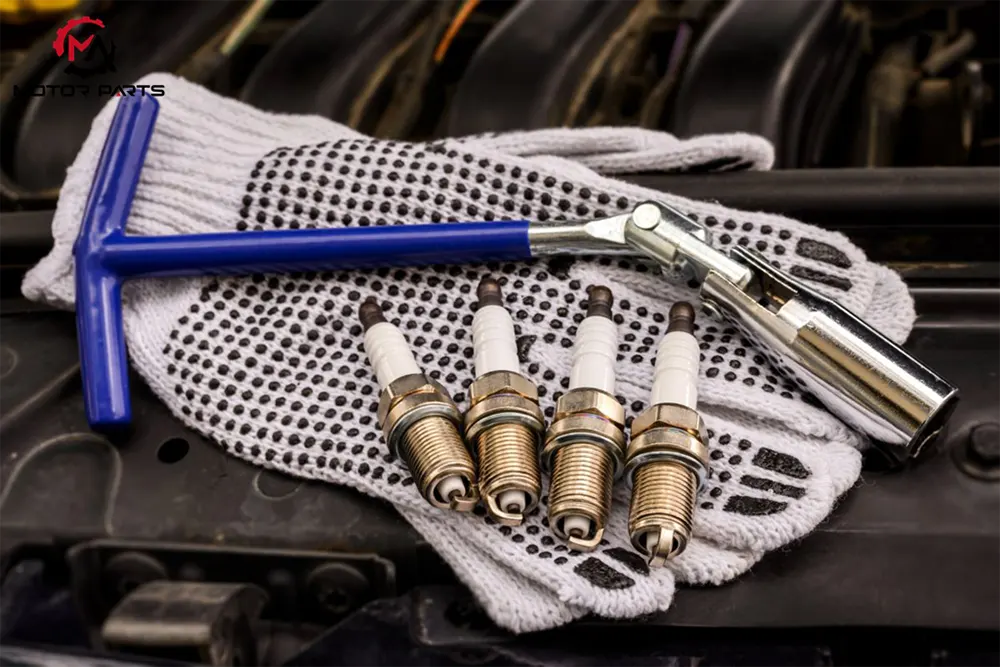
Spark plug: Installed at the top of the engine combustion chamber, it receives high voltage electricity and generates an electric spark to ignite the mixture. The core parameters are "calorific value" and "clearance". Commuter models with a displacement of 125cc often use spark plugs with a calorific value of 7-8 (such as NGK CR7E), with a clearance controlled at 0.7-0.9mm. Regular checks for wear (such as electrode carbon deposition and erosion) are necessary, otherwise it will cause difficulty in starting and unstable idling.
2. Adaptation and maintenance points
For different fuel qualities (such as high sulfur fuel), the ignition system will optimize the spark plug material (such as iridium spark plugs to enhance corrosion resistance); In cold regions, the igniter adjusts the ignition advance angle to enhance low-temperature starting performance. Daily maintenance should pay attention to regularly cleaning the spark plug electrodes, checking the insulation of high-voltage wires (to avoid leakage), and ensuring that the igniter wiring terminals are secure (to prevent signal interruption).
Motorcycle Lighting and Signal : The 'Visual Language' of Driving Safety
Lamps and signal devices are the "visual communication tools" of motorcycles, which transmit the vehicle's driving status (like steering and braking) through lights, guaranteeing safety during nighttime driving and complex road conditions, while complying with regulatory requirements of various countries (like ECE and DOT standards).
1. Main components and functions
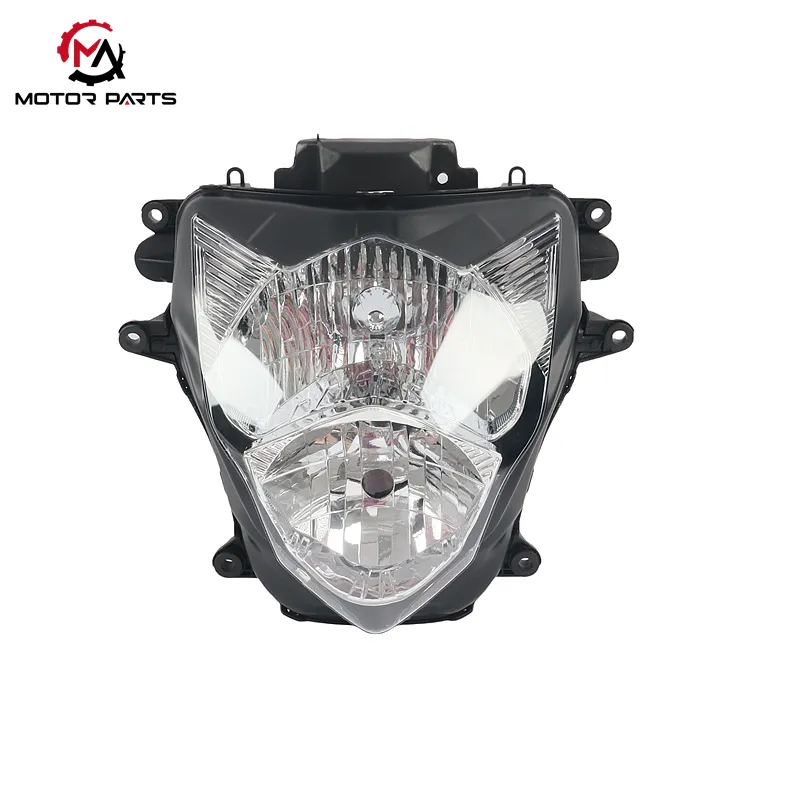
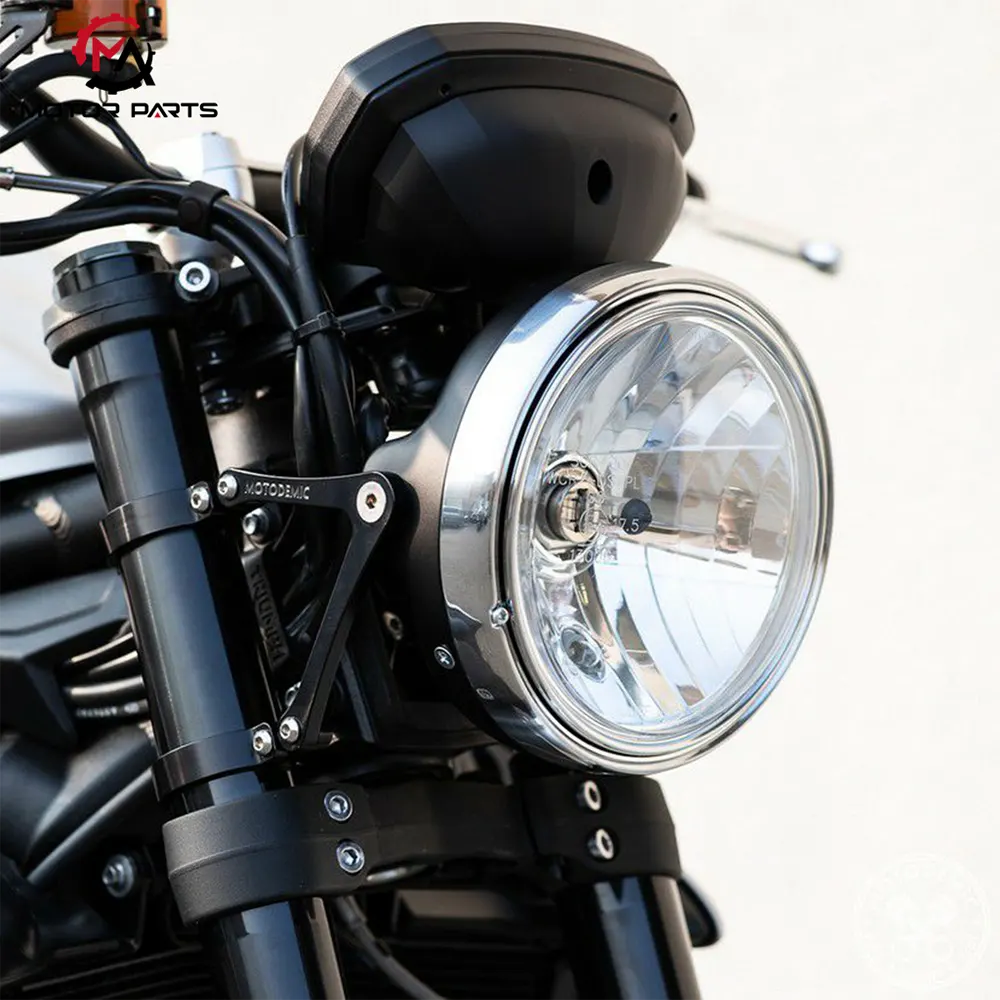
Headlights: used for night or low visibility environment lighting, disunited into high and low beam, some models combine daytime running lights (DRL). Some basic car models often use halogen headlights with a power of 35-55W, and the beam angle can be adjusted (through the lamp holder knob) to ensure that the lighting range covers the road surface 15-30 meters ahead; High end models use LED headlights, which have low energy consumption (only one-third of halogen lamps), long lifespan (up to 50000 hours), and automatic switching between high and low beams.
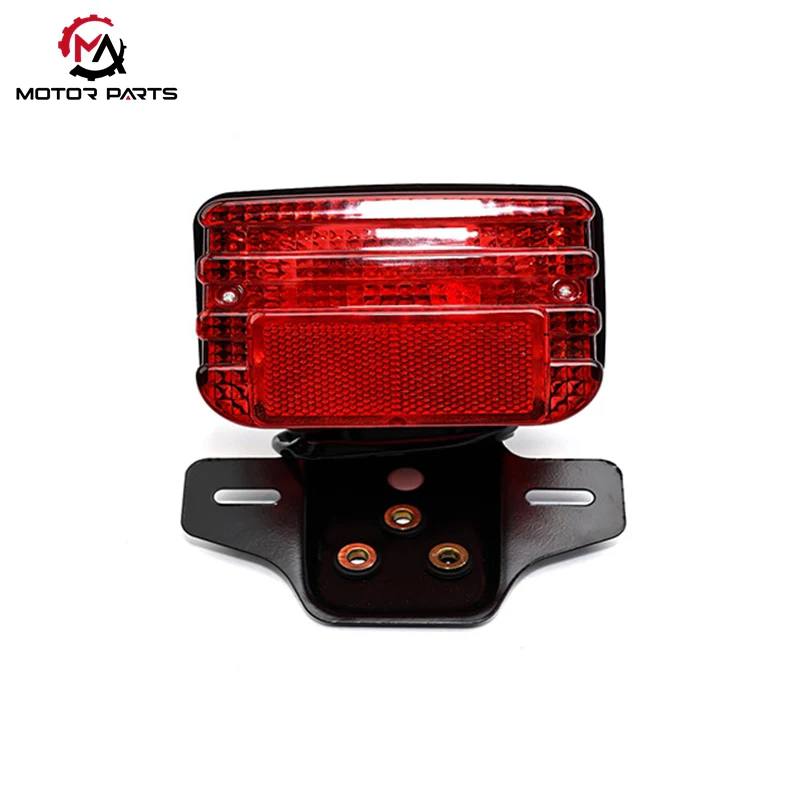
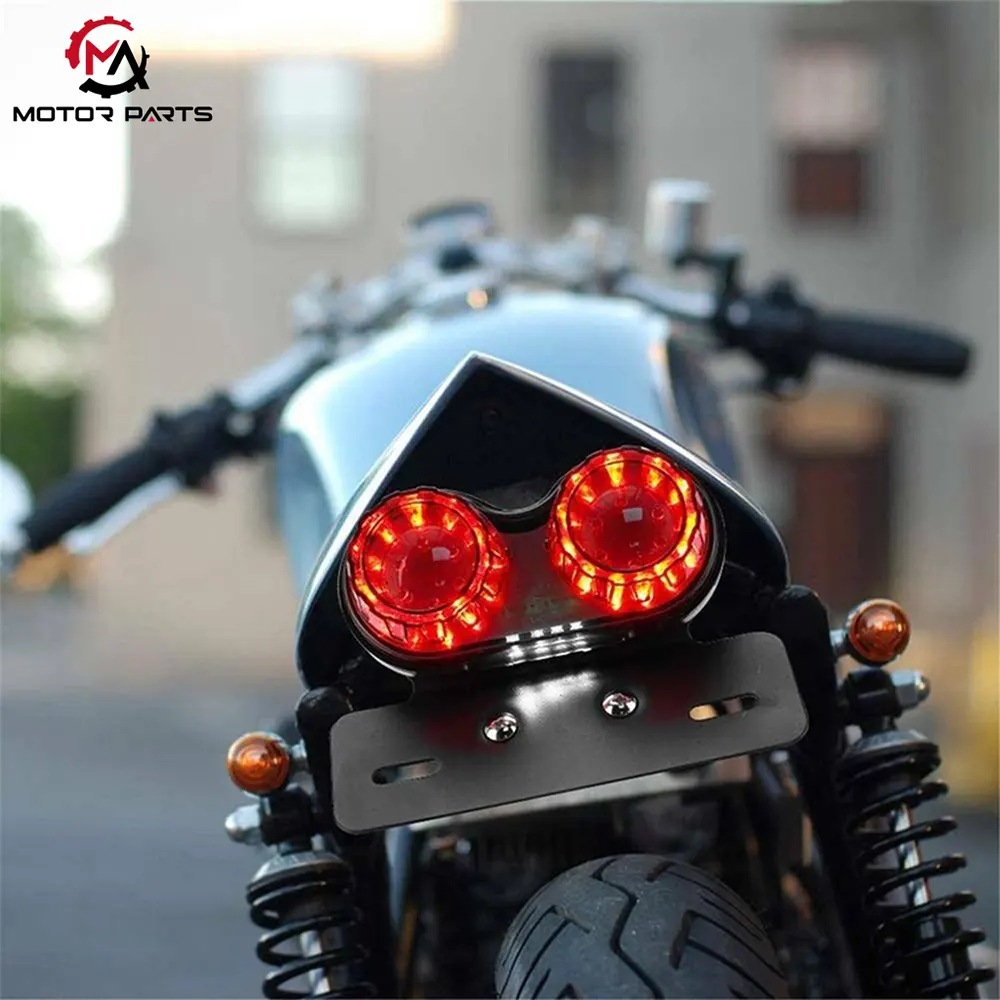
Taillights and brake lights: integrated at the rear of the car, the taillights are always on (red) to indicate the position of the vehicle behind, and the brake lights (also red) light up when the brake is applied to indicate that the vehicle behind is slowing down. Motorcycles often use "dual filament light bulbs" (with a tail light filament power of 5W and a brake filament power of 21W), and some upgraded models use LED tail lights, which have a faster response time (0.3 seconds faster than halogen lights) and improve brake warning time.
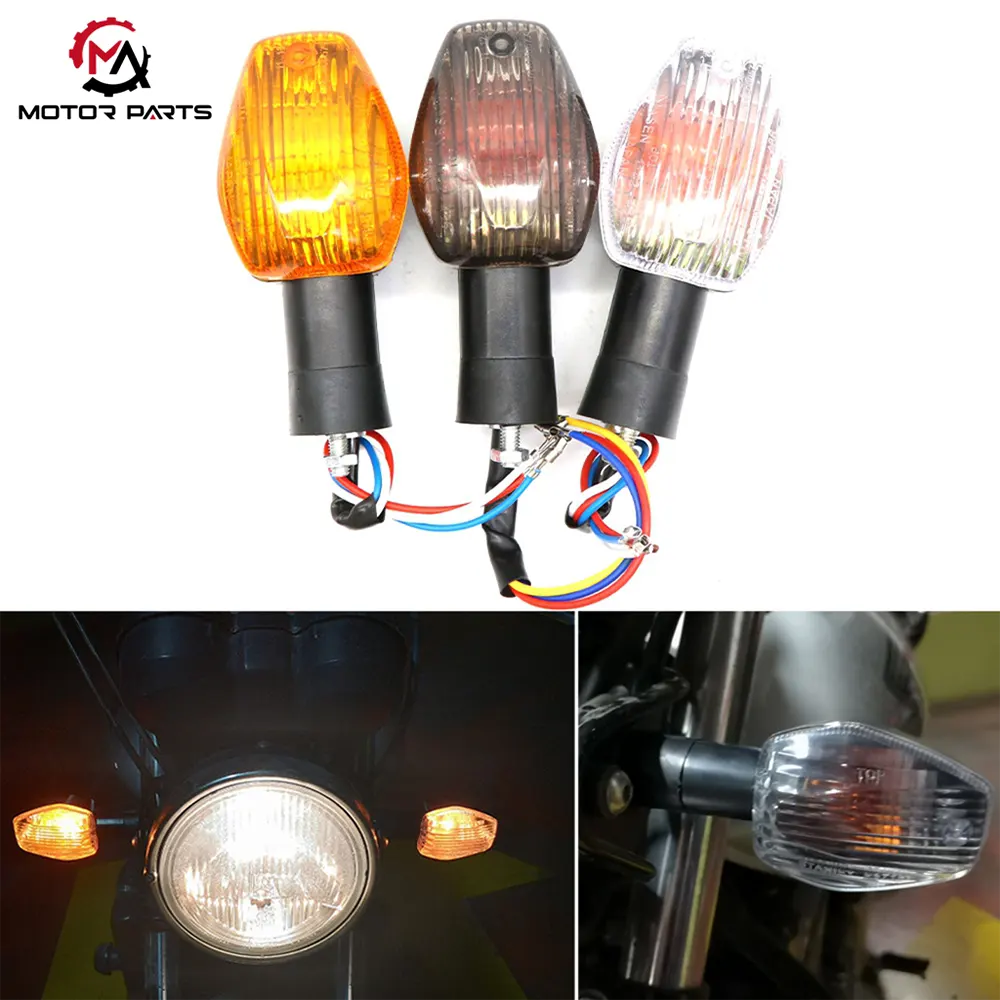
Turn signal: Installed on the front and rear sides of the vehicle (4 in total), it is used to indicate the intention to turn. The light is yellow and flashes 1.5-2.5 times per second. Its core components include turn signal bulbs (power 10-21W) and flashers (controlling flashing frequency).
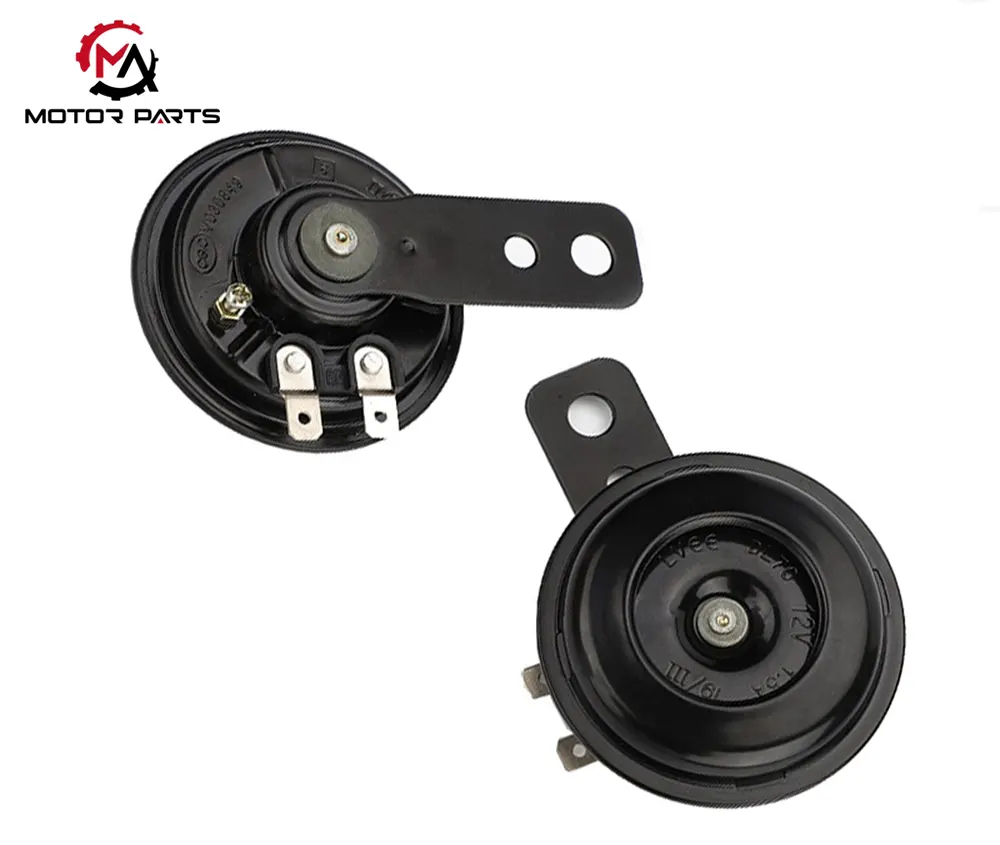
Motorcycle horn: It is not a simple "sounding device", but a sturdy defense line for riders to protect their safety. It breaks through blind spots in the field of vision with active warnings, intelligently adapts sound effects according to different road conditions, resolves dangerous situations by sounding the horn in critical moments, maintains traffic order through standardized use, and provides sound protection for every ride. It can be regarded as an indispensable and important part of the motorcycle safety system.
2. Regulations and adaptation characteristics
Different markets have different requirements for lighting fixtures: the European market (ECE standard) requires headlights to have "anti glare" function (low beam headlights have shading shields), while the North American market (DOT standard) has higher requirements for turn signal brightness; In response to the rainy environment in Southeast Asia, the lighting fixtures will adopt waterproof sealing design (such as adding rubber sealing rings to the lamp base) to avoid water ingress and short circuits.
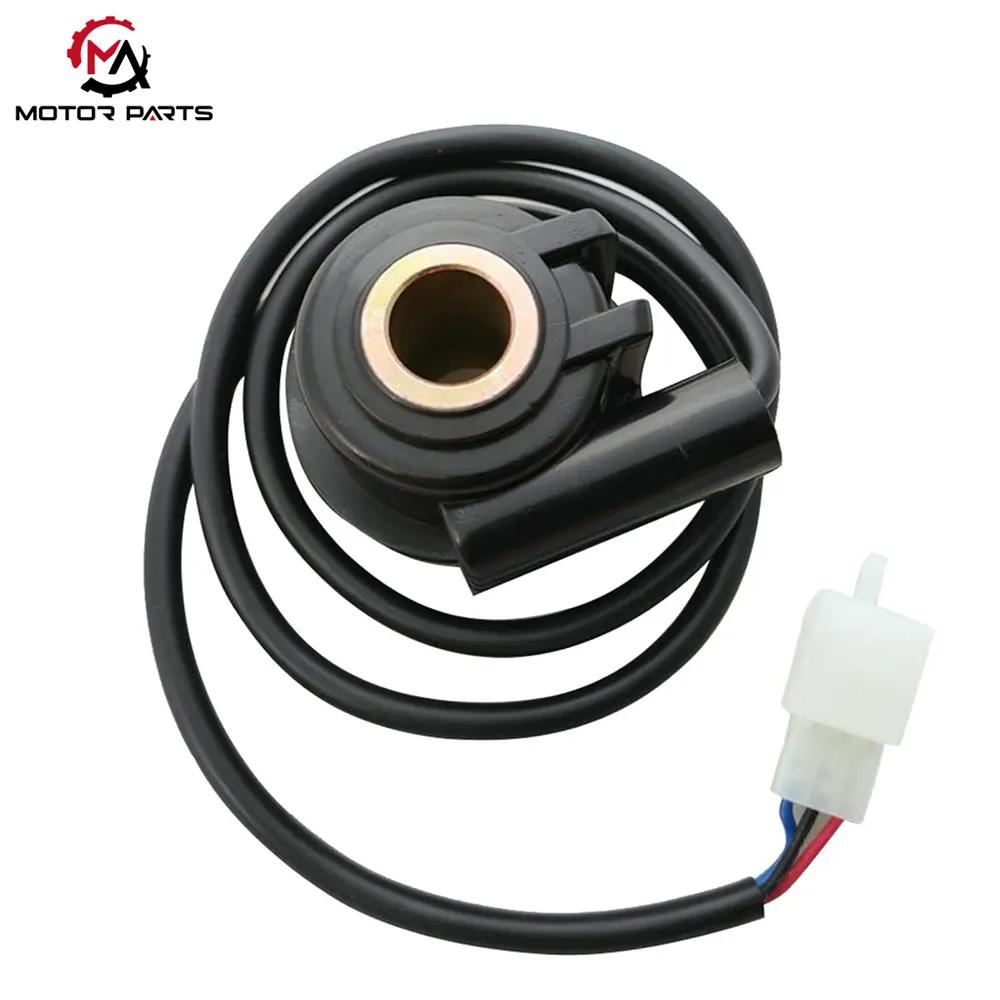
Motorcycle speedometer and sensor : The "Perception and Display Center" for Driving Information
The instrument(speedometer) and sensor are important ways for drivers to obtain vehicle operation information and perceive vehicle status. The instrument is responsible for displaying various data collected by the sensing system in an intuitive form to the driver, while the sensing system monitors kinds of parameters of the vehicle in real time, providing precise data support for the instrument. The two work together to ensure the convenience and safety of driving.
1. Motorcycle instrument panel: "display screen" for driving data
Core display functions and components:
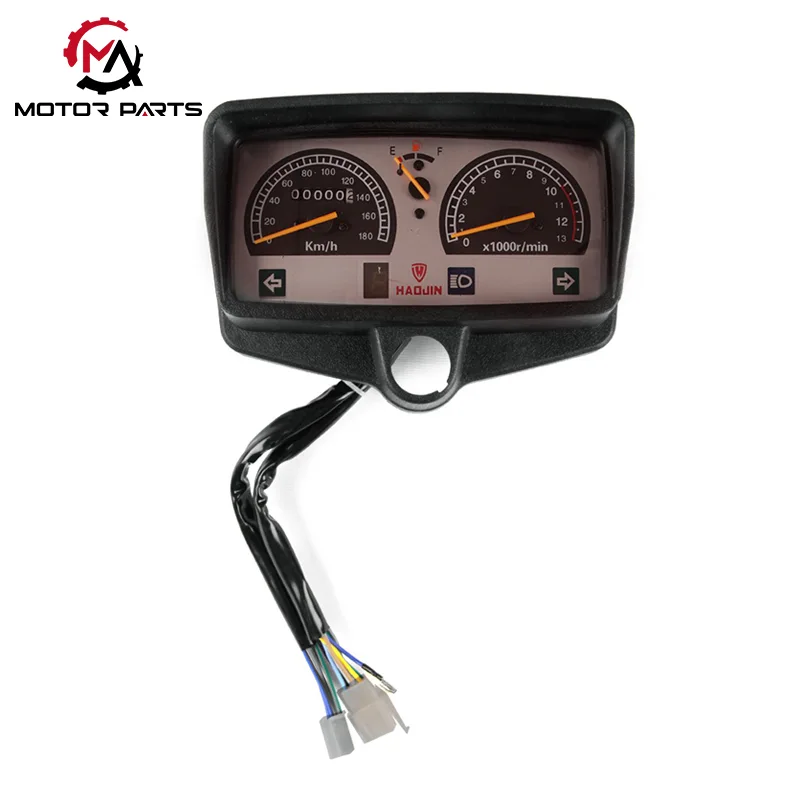
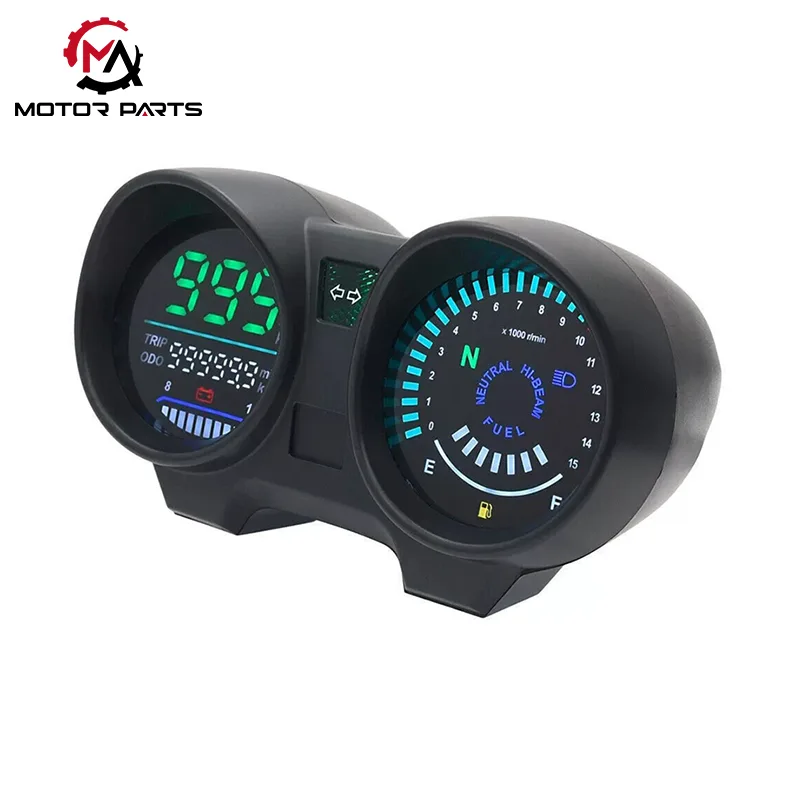
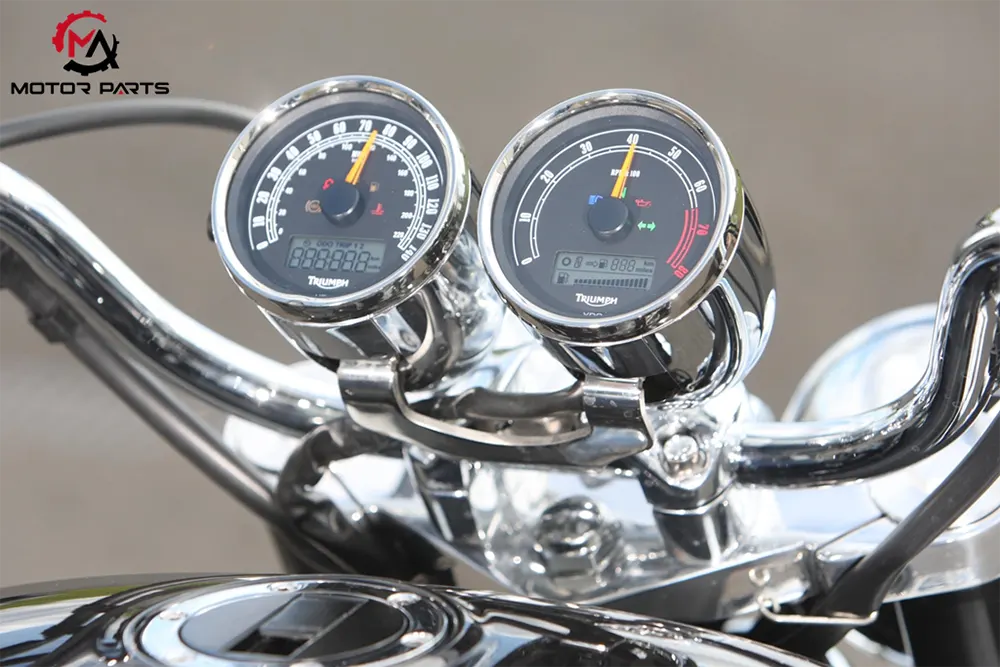
Speedometer: displays the vehicle's driving speed, cut into mechanical pointer type and electronic digital type. Traditional car models often use mechanical pointers, and electronic digital displays the digital speed after calculation by the instrument panel, with higher accuracy.
Tachometer: displays the engine speed (unit: rpm) to help the driver determine the timing of gear shifting. The electronic tachometer obtains signals through the crankshaft position sensor. Some high-end models will mark the "red line zone" on the tachometer (such as above 10000rpm) to remind drivers to avoid high-speed operation.
Fuel gauge: displays the remaining fuel level in the tank, and changes the resistance value through a float type sensor inside the tank (the float rises and falls with the fuel level). The instrument indicates the fuel level based on the resistance change (such as "F" for full fuel and "E" for empty fuel).
Indicator lights: transmit vehicle status information, commonly including: power indicator light (green, lit when the ignition switch is turned on), turn signal indicator light (yellow, corresponding to flashing on the steering side), brake indicator light (red, lit when braking), oil pressure indicator light (red, lit when the oil pressure is insufficient, need to stop immediately for inspection), high beam indicator light (blue, lit when high beam is turned on).
Adaptation and development trend: Traditional car models adopt mechanical instruments, with simple structure and low cost.
Motorcycle Sensing System: A Precise Sensor for Vehicle Status
The sensing system consists of kinds of sensors that monitor the operating parameters of key parts such as the motorcycle engine, chassis, and electrical system in real time. It converts physical signals (such as temperature, pressure, speed, position, etc.) into electrical signals and transmits them to instruments or ECU (electronic control unit), providing precise basis for vehicle control and driver judgment.
Adaptation and Features
Motorcycle sensors need to have high reliability and environmental adaptability, and be able to work stably under harsh conditions such as high temperature, vibration, and humidity.